


Step into your future career
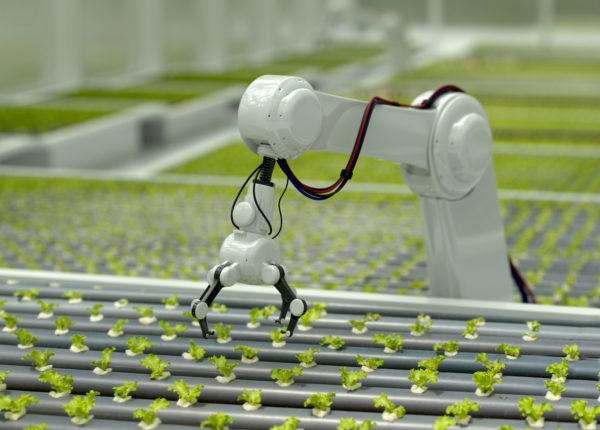
Advanced Manufacturing Technologies
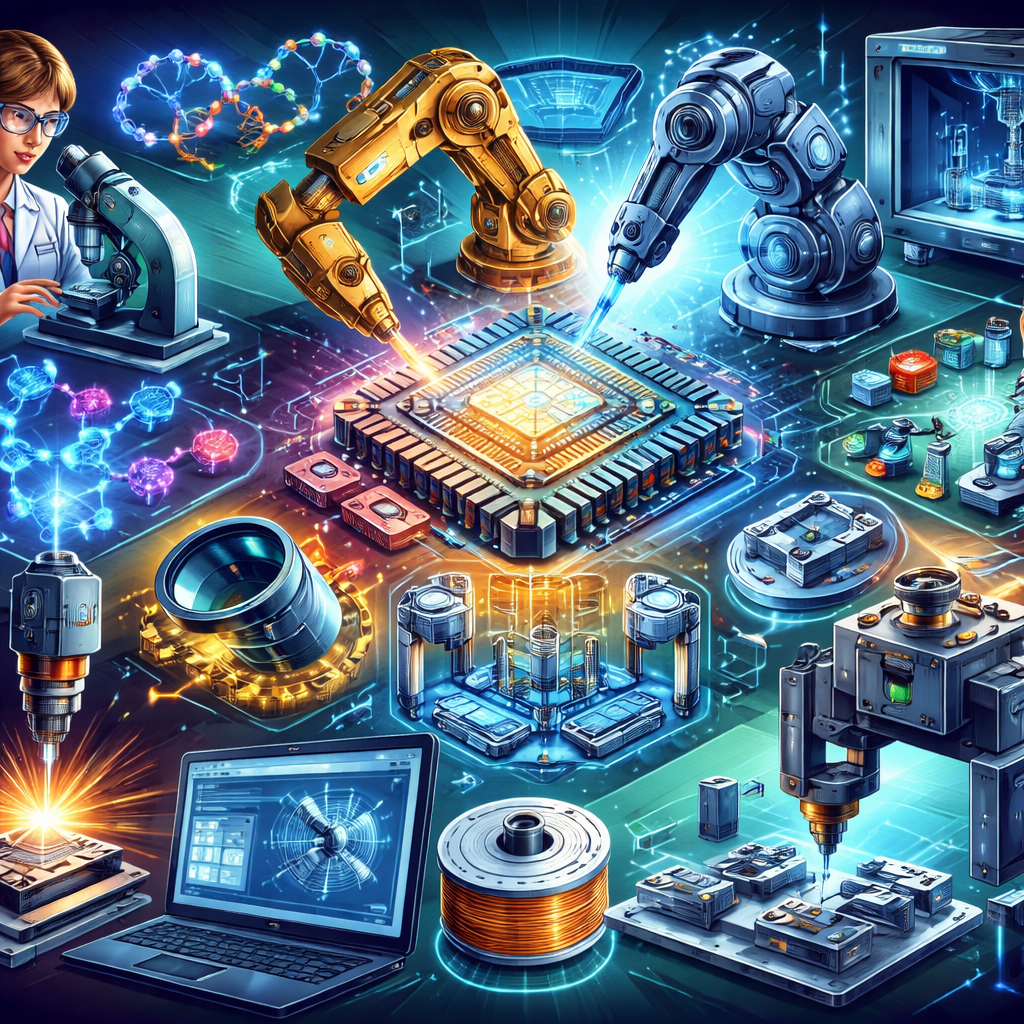
Introducing advanced technology’s tools of the trade—computer and laser-guided systems, routed wirelessly to the internet, 3D printers, prototypes, robotics, and artificial intelligence devices that learn on the fly. These advanced tools help us build better, smarter, and cleaner than ever before. Best of all, they’re creating opportunities for a rewarding future.
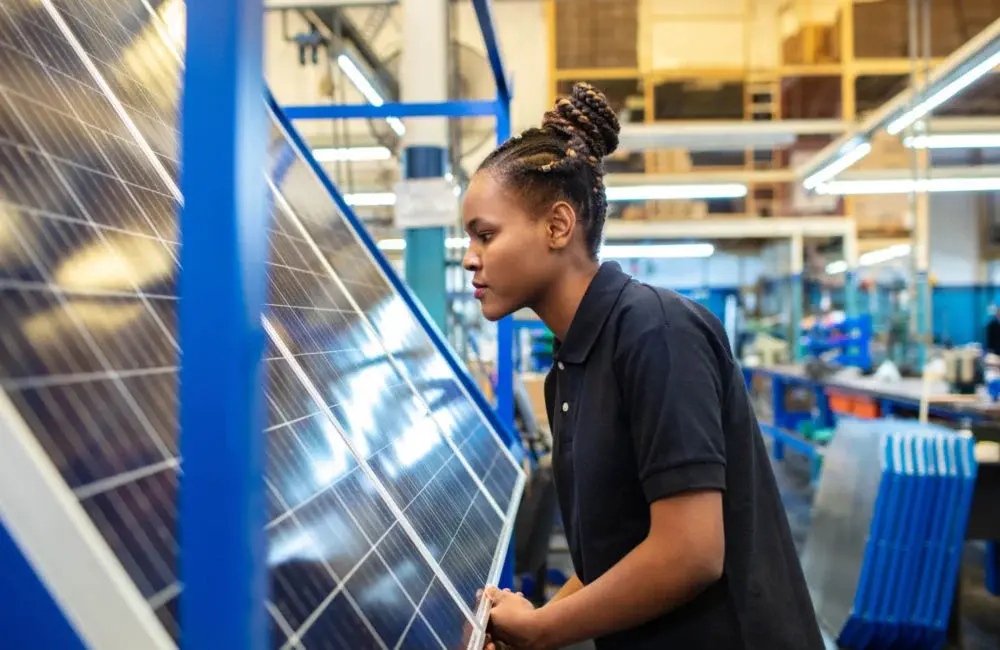
Modular Home Construction
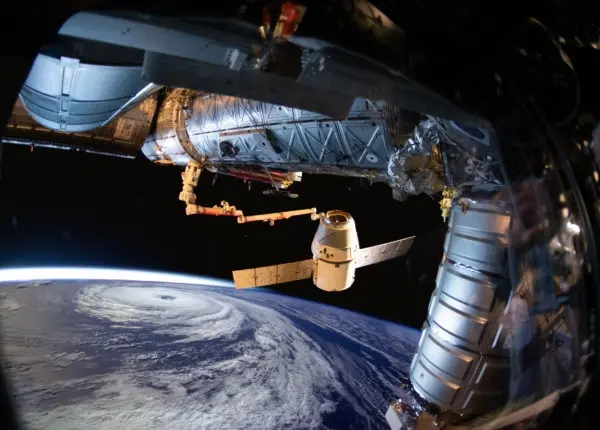
Space

Business Commerce
A career in business or commerce opens up many opportunities for those interested in operations, sales, advertising, marketing, finance, logistics, and more. These self-starters manage the business side of advanced manufacturing. They think of new business ideas, create proposals and reports, make business decisions, create better and more efficient ways to make their products and grow their businesses.
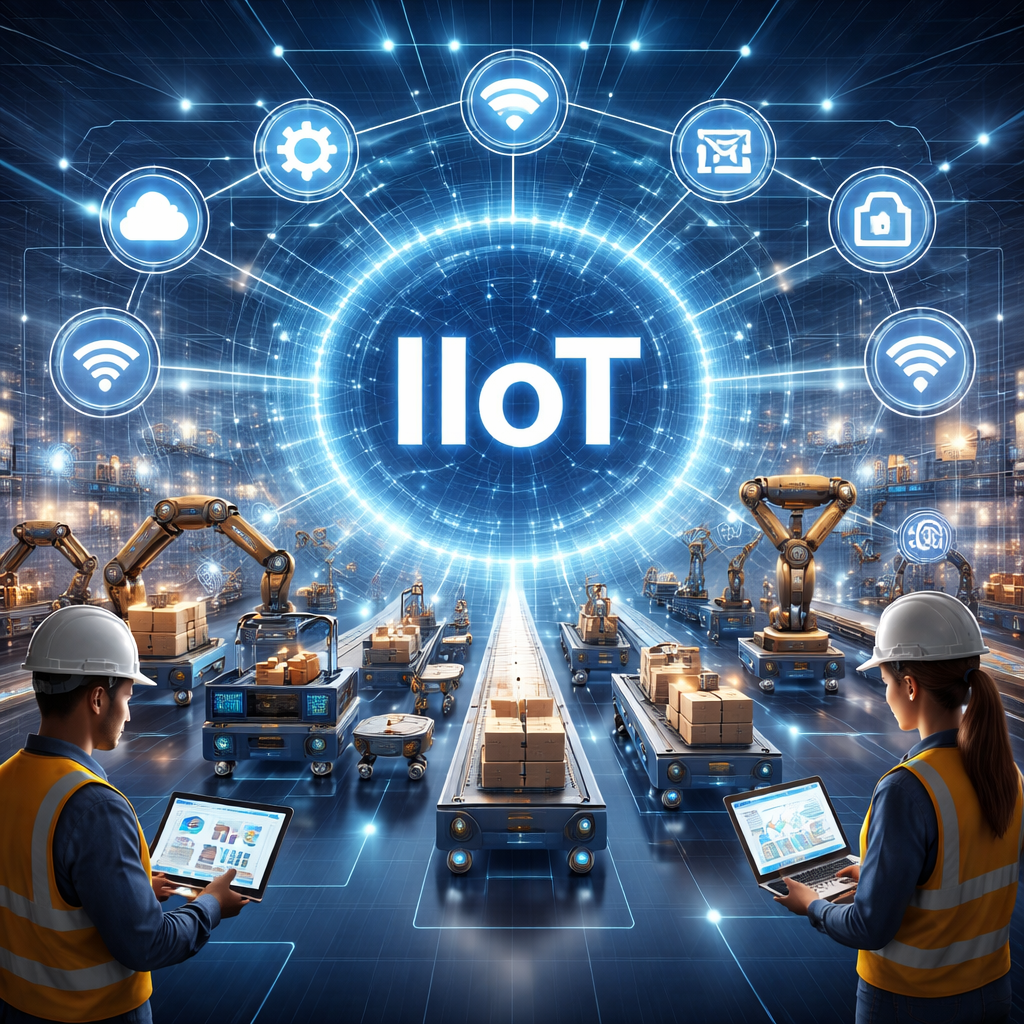
IIoT Network
IIoT means the “Industrial Internet of Things.” That means linking software systems and devices like sensors, cameras, and machines to the worldwide web to make them “connected” or “smart”—meaning they can be controlled remotely, programmed to do tasks, or gather and share data with other connected devices. This gives users greater control and analytical capabilities because these devices can process data and perform their functions with little to no human interaction or be controlled remotely.

Artificial Intelligence and Machine Learning
Artificial intelligence can allow manufacturers to build prediction into their processes, fixing equipment before it breaks down, responding in real time to changes in customer demand, or managing risks of supply chain disruptions. AI can also be used to make products and machines work like we do—they can learn by example, solve problems, see and recognize objects, understand and respond to voices, teach themselves, and operate on their own – like self-driving cars.
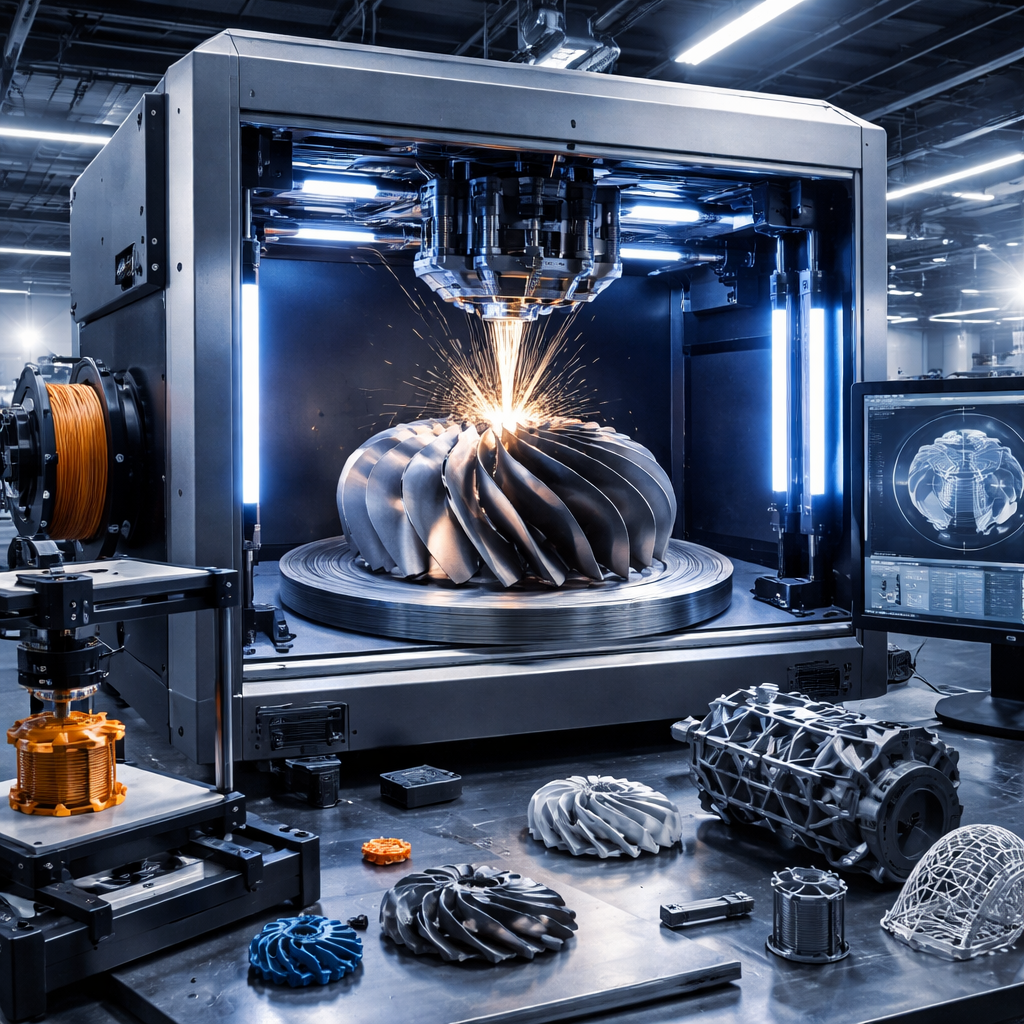
Additive manufacturing and 3D printing
Additive manufacturing (AM) is just a fancy industry name for 3D printing. It’s a computer-controlled process of depositing material (eg. plastic, ceramics, metals) in precise layers, and building up a three-dimensional object. It’s the opposite of how things are usually made—removing material (like carving a piece of wood to make a chair leg). With this technology, we can also scan objects, improve them in a virtual model using digital twins and computer-aided design, reimagine them in VR, and then make them real, or recreate unique or complex parts that aren’t made anywhere else.
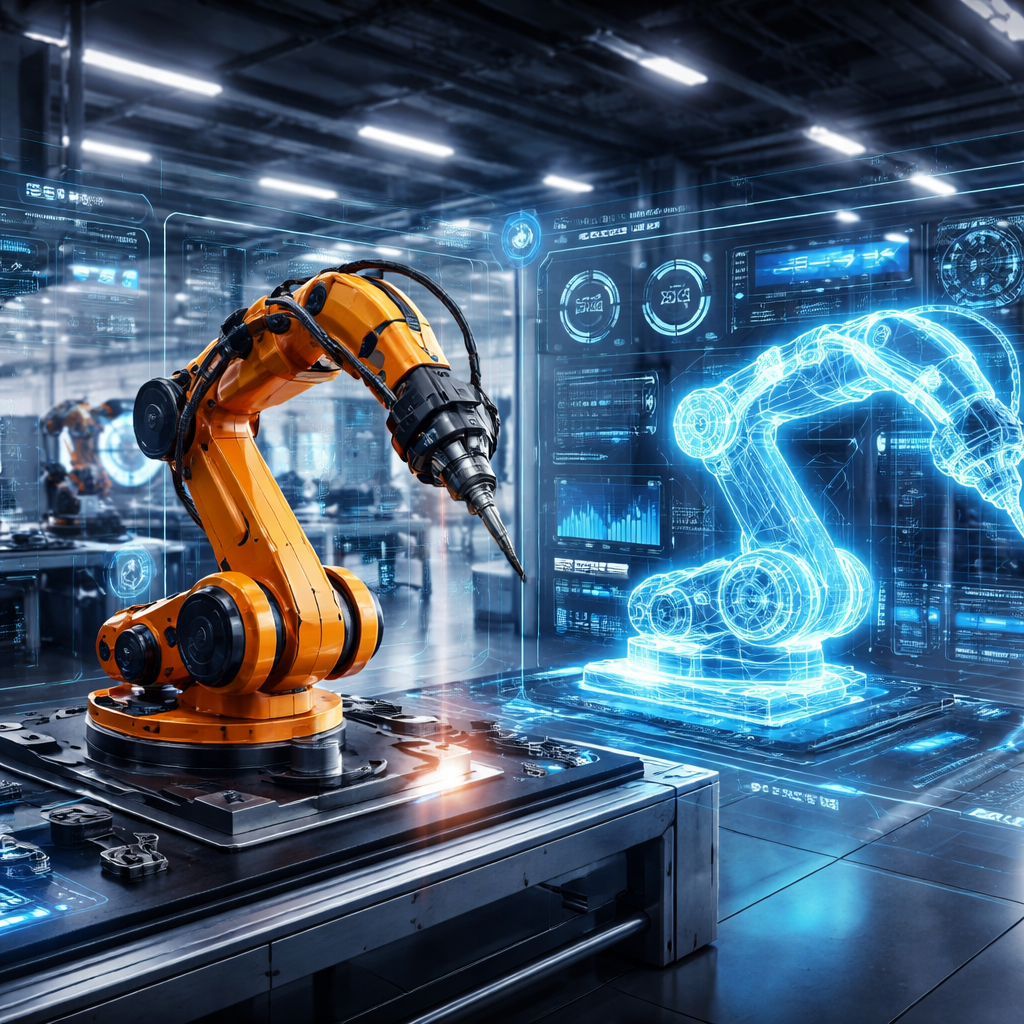
Digital Twins
Digital twins are computer simulations of real-world objects, which can be tested under various conditions, and improved through real-time data collected from sensors in the actual world before being built for real. It’s like engineering specifications come to life. In many cases, this technology is connected to the Internet of Things, A.I. and VR, where real-world sensors collect data, A.I. can interpret it to help improve a design, and VR can help the designer visualize it.
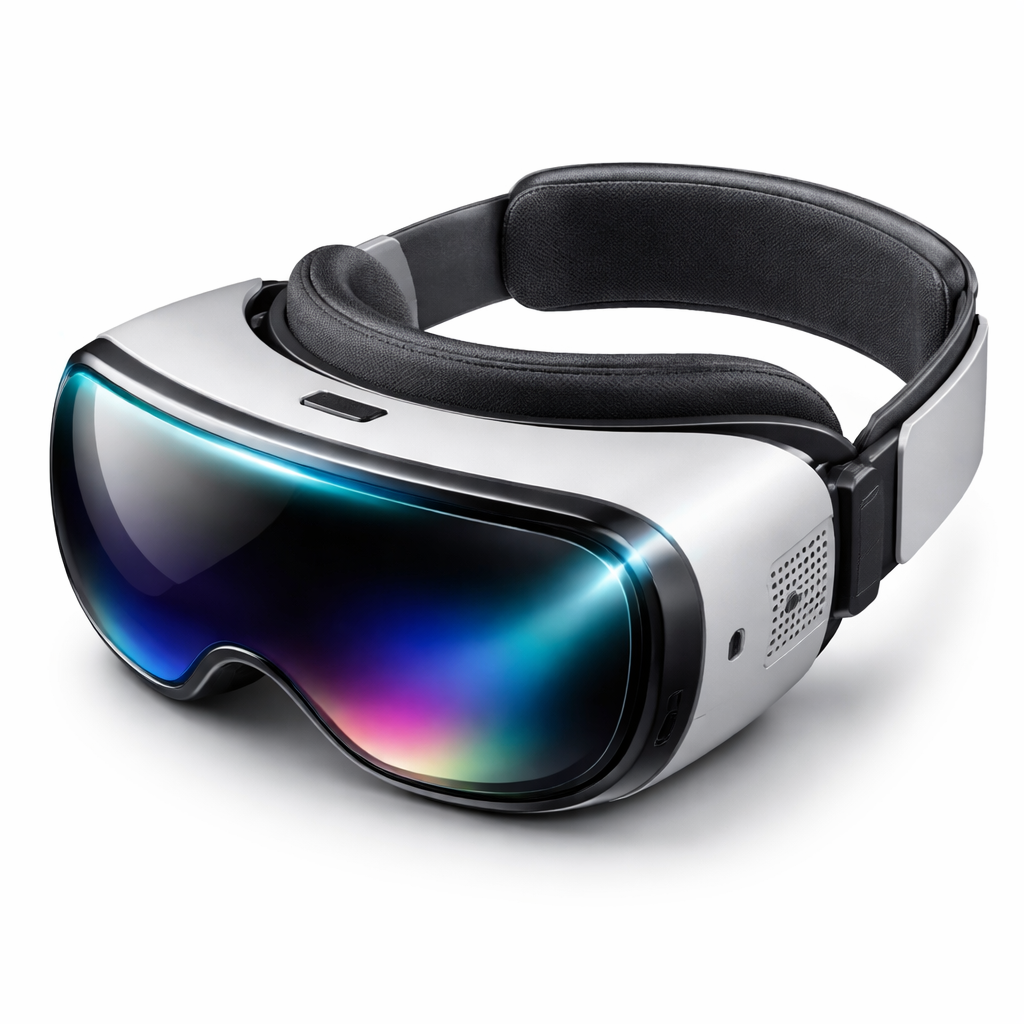
Virtual Reality and Augmented Reality
AR and VR aren’t just for video games—in manufacturing, elaborate simulations can be created. Users can often interact with trial runs of machines or processes that are cheaper and more efficient than building the real thing. This brings down costs, saves on materials, and is much safer. And, what a great way to learn on the job! This technology creates great roles for individuals who enjoy computers, design, or have instinctive empathy and a user-experience mindset.
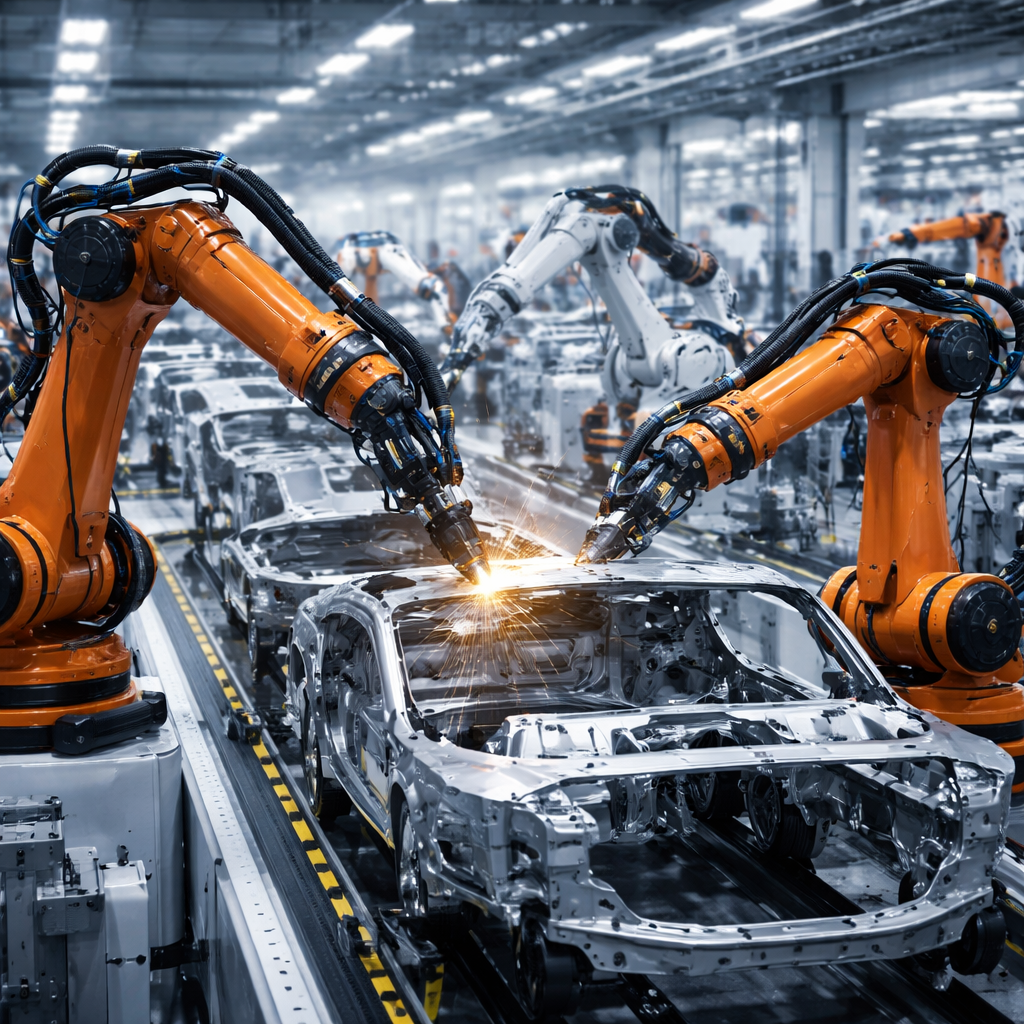
Robotics
We know what robots do—some work all by themselves; called independent robots. This is the classic idea of what a robot is: a completely autonomous device, not requiring human operators to carry out their programmed repetitive or dangerous task. Robots are often used to automate certain jobs in factories. But unlike some traditional factory machines, they don’t need to be reprogrammed and retooled to perform different tasks.
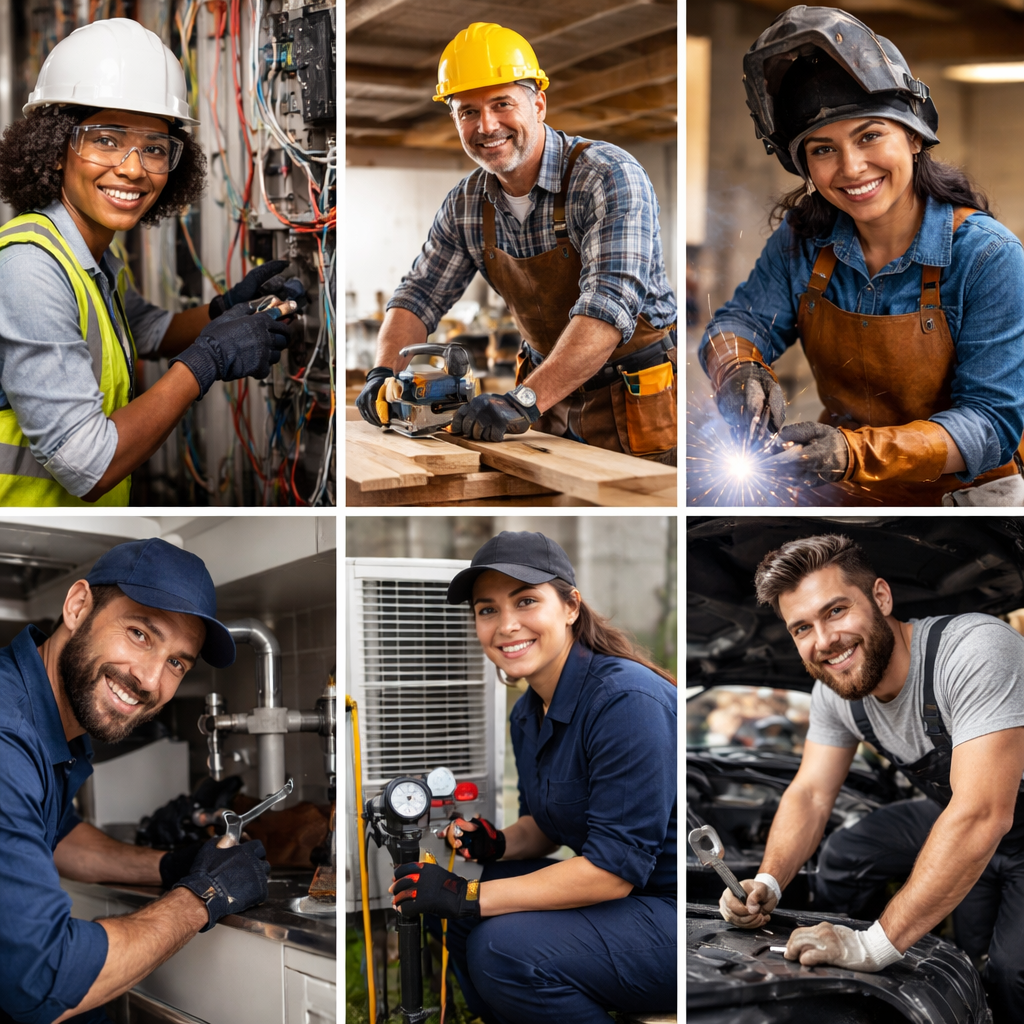
Skilled Trades
If you’re the type of person who prefers to be on the move instead of chained to a desk, a path in skilled trades could be your future calling. More active by nature, these exciting hands-on roles can literally help secure you a healthy future by keeping your body moving every day. And because there’s an unlimited demand for skilled tradespeople in advanced manufacturing, this path can also help you secure financial stability for the entirety of your career.
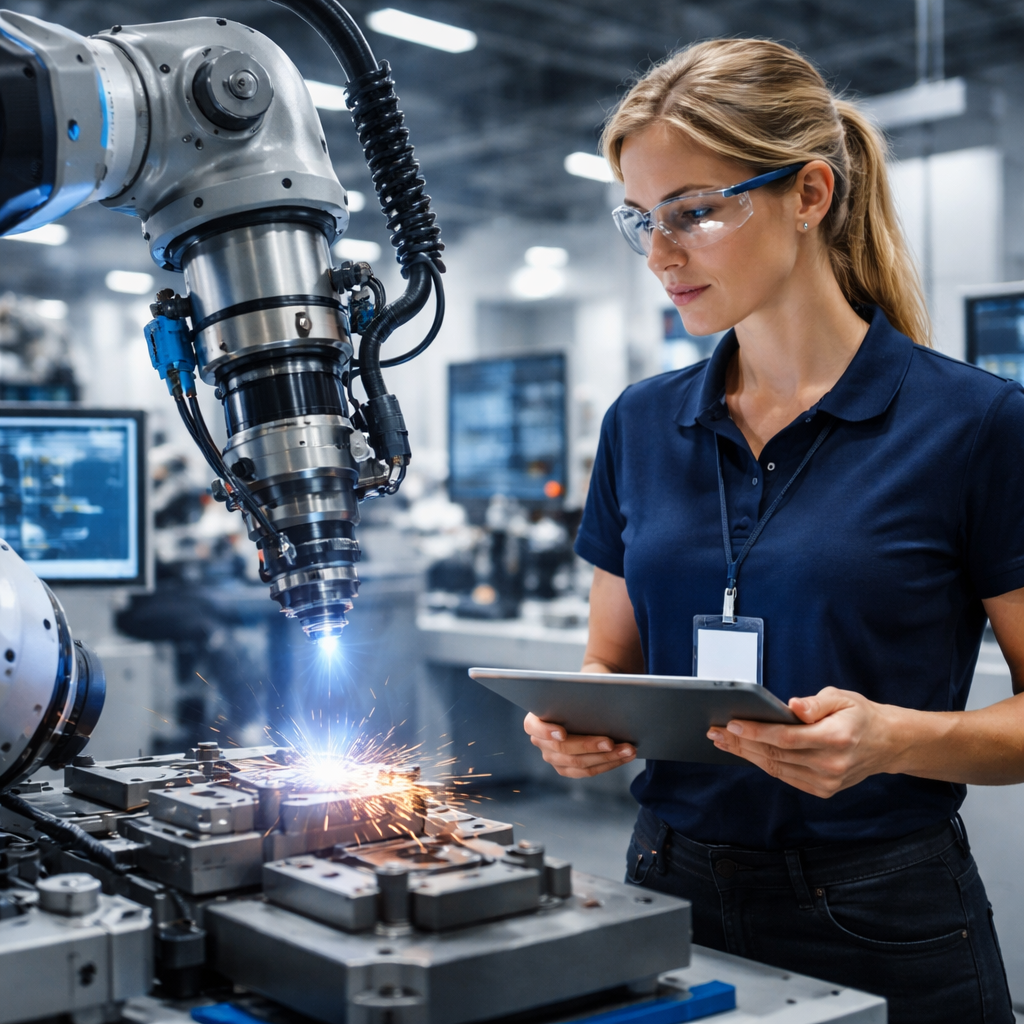
Specialists
Specialists are experts who go deep on a specific area of expertise. As a specialist in advanced manufacturing, you can make yourself an invaluable asset in virtually any field — from management to creative design. With a laser focus on your area of expertise, your specialized skills would allow you to see solutions that someone with more general knowledge may miss. This level of specific expertise is why a career as a specialist will always keep you in high demand.
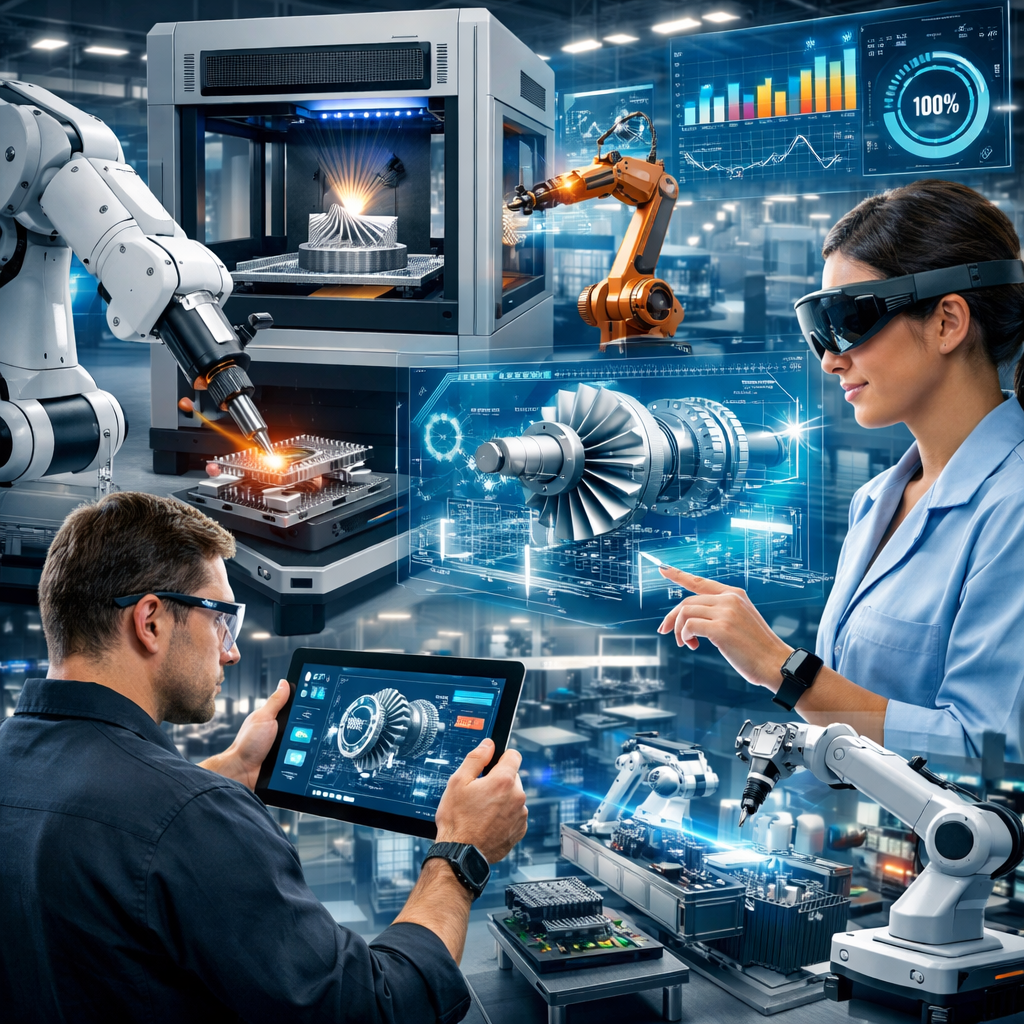
Business Innovation & Entrepreneurship
This career track focuses on identifying opportunities and helping grow them into viable businesses, opportunities, or new products—from feasibility studies through to market launch, and the management of new companies. Many involved in this field start their own businesses or help organizations innovate from within, into new lines of business. Occupations in this field would also manage intellectual property, or develop whole new markets, where none existed before.
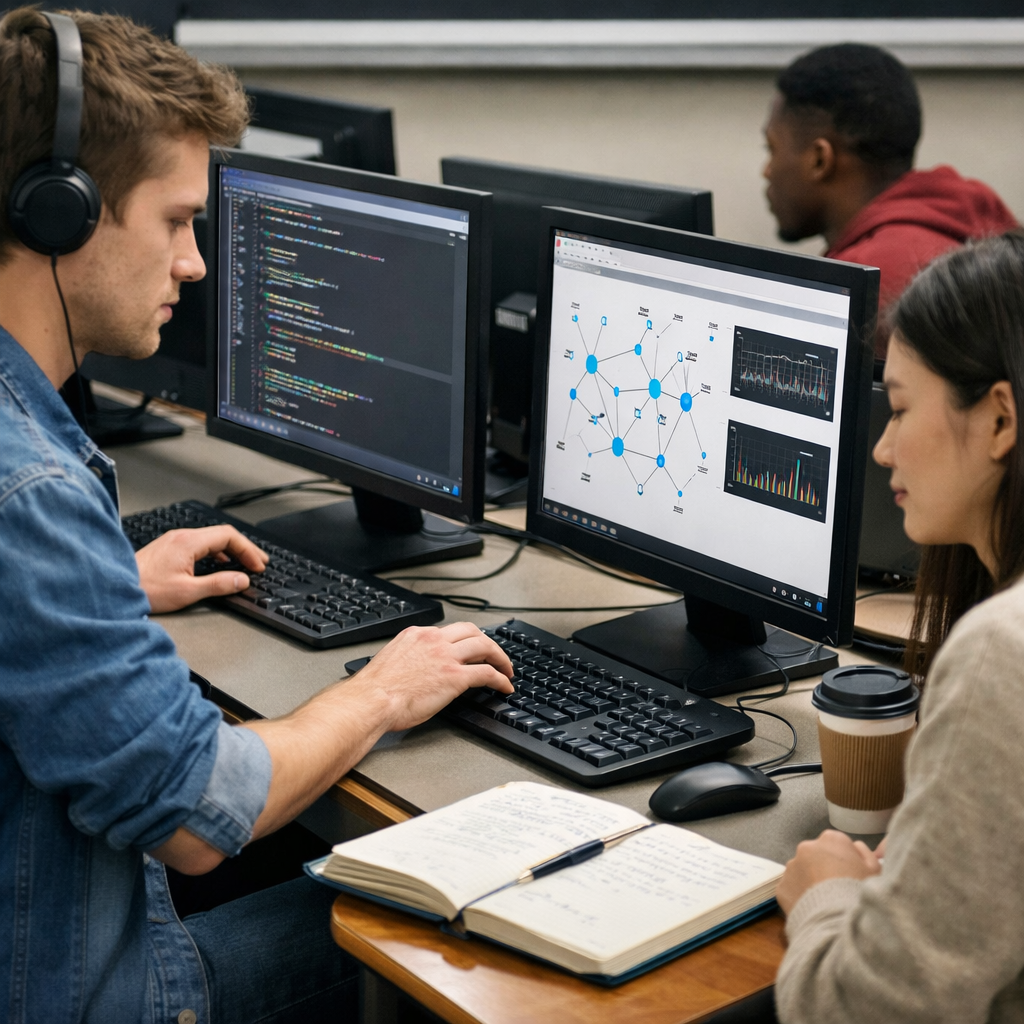
Computers are so common in our modern world that computer careers opportunities can be found in almost every industry. Advanced manufacturing is no exception. A job might involve cyber security, programming applications, performing system analysis, designing, developing, supporting and managing software, or even working in the field of robotics and artificial intelligence.
Science
Scientists study and explore aspects of the physical world. Like engineers, their knowledge is highly prized by manufacturers, because they work in research and development departments, creating new compounds, products, or processes to make them. They might test the safety of a given product—like scientists who work for auto manufacturers. They could be finding new ways to clean up chemical spills, or finding more efficient energy sources.