


Step into your future career
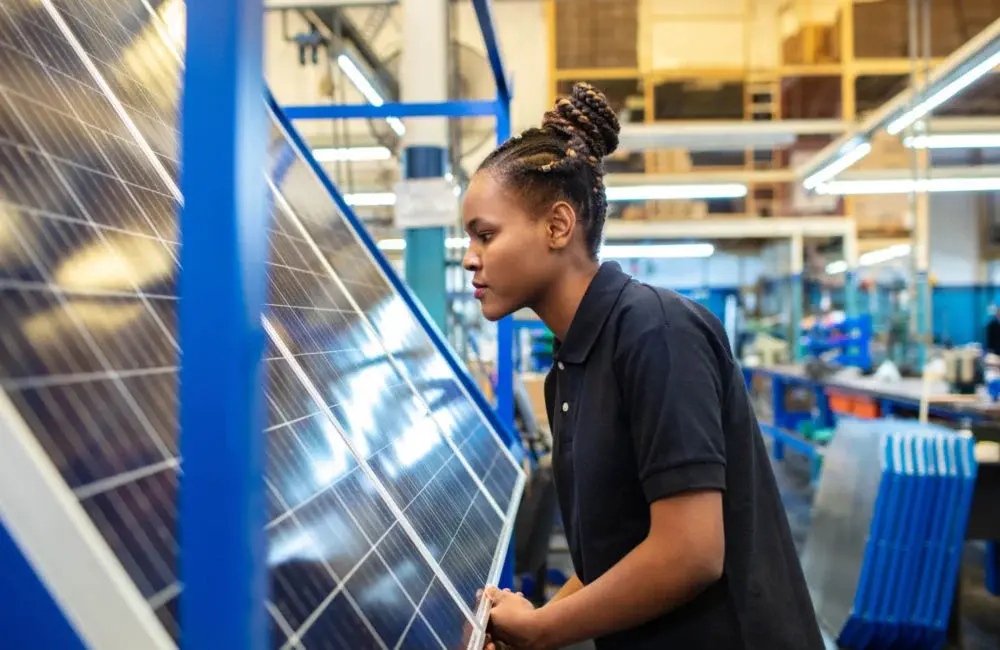
Modular Home Construction
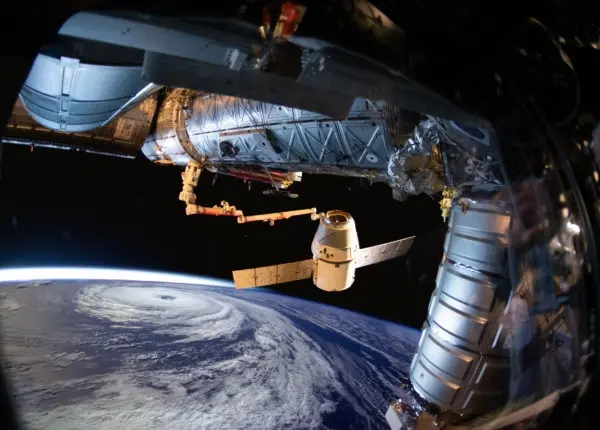
Space

Business Commerce
A career in business or commerce opens up many opportunities for those interested in operations, sales, advertising, marketing, finance, logistics, and more. These self-starters manage the business side of advanced manufacturing. They think of new business ideas, create proposals and reports, make business decisions, create better and more efficient ways to make their products and grow their businesses.

Skilled Trades
If you’re the type of person who prefers to be on the move instead of chained to a desk, a path in skilled trades could be your future calling. More active by nature, these exciting hands-on roles can literally help secure you a healthy future by keeping your body moving every day. And because there’s an unlimited demand for skilled tradespeople in advanced manufacturing, this path can also help you secure financial stability for the entirety of your career.
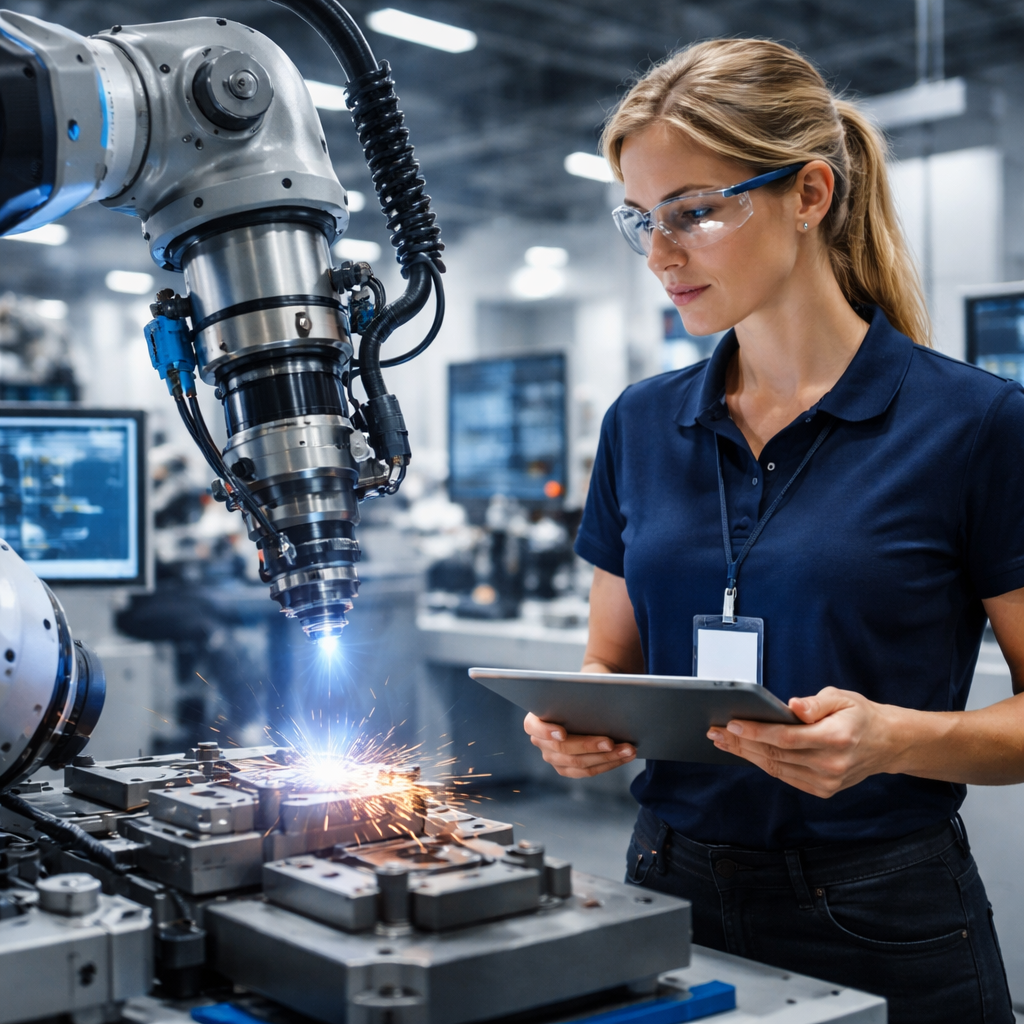
Specialists
Specialists are experts who go deep on a specific area of expertise. As a specialist in advanced manufacturing, you can make yourself an invaluable asset in virtually any field — from management to creative design. With a laser focus on your area of expertise, your specialized skills would allow you to see solutions that someone with more general knowledge may miss. This level of specific expertise is why a career as a specialist will always keep you in high demand.
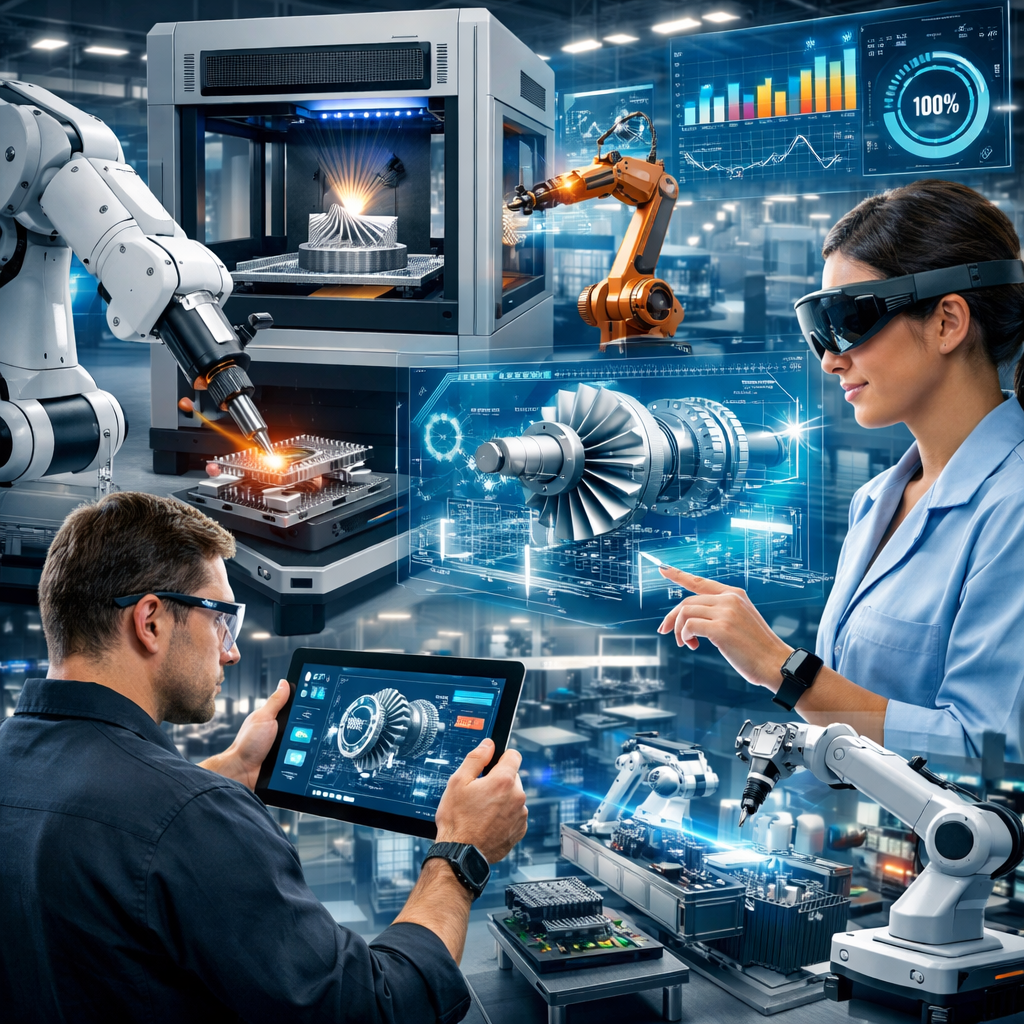
Business Innovation & Entrepreneurship
This career track focuses on identifying opportunities and helping grow them into viable businesses, opportunities, or new products—from feasibility studies through to market launch, and the management of new companies. Many involved in this field start their own businesses or help organizations innovate from within, into new lines of business. Occupations in this field would also manage intellectual property, or develop whole new markets, where none existed before.

Computers are so common in our modern world that computer careers opportunities can be found in almost every industry. Advanced manufacturing is no exception. A job might involve cyber security, programming applications, performing system analysis, designing, developing, supporting and managing software, or even working in the field of robotics and artificial intelligence.
Science
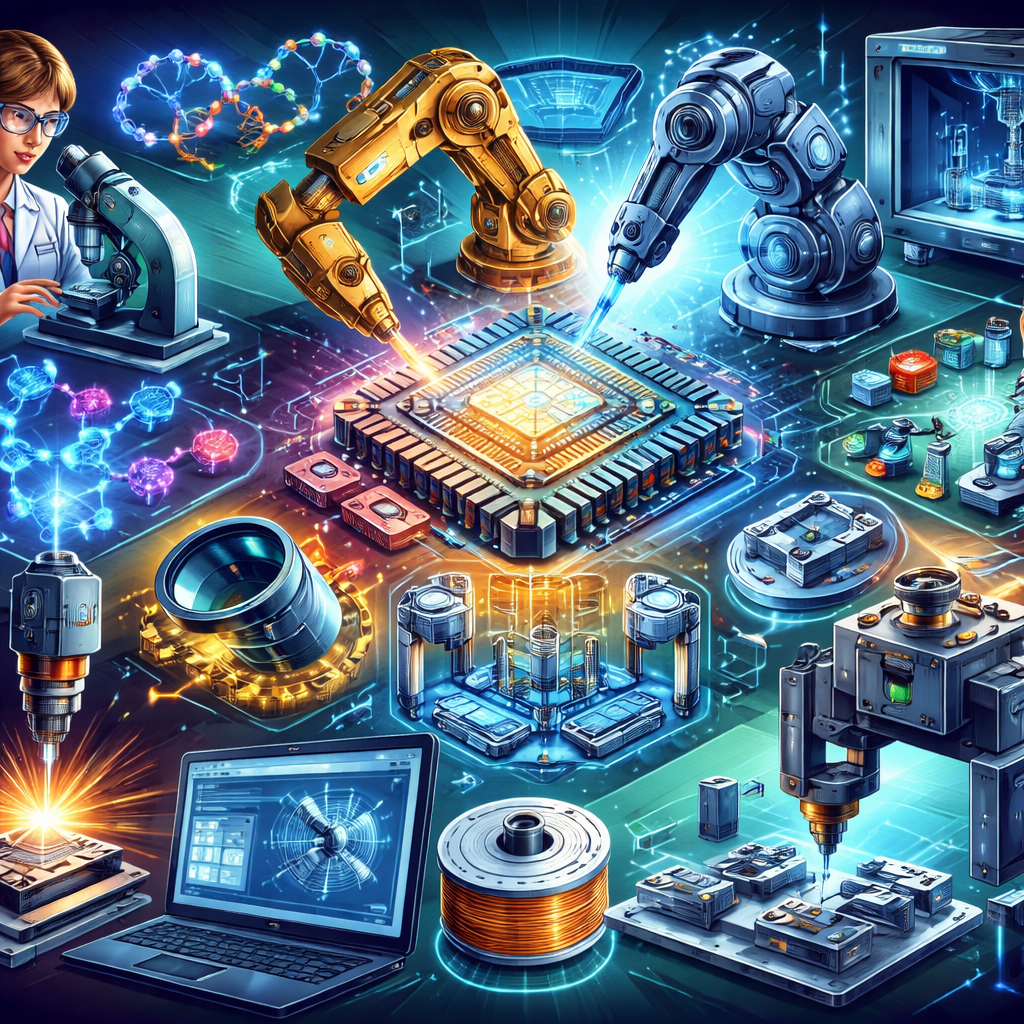
Scientists study and explore aspects of the physical world. Like engineers, their knowledge is highly prized by manufacturers, because they work in research and development departments, creating new compounds, products, or processes to make them. They might test the safety of a given product—like scientists who work for auto manufacturers. They could be finding new ways to clean up chemical spills, or finding more efficient energy sources.